Starting Your Car Right: Importance of a Reliable Start Motor
Starting Your Car Right: Importance of a Reliable Start Motor
Blog Article
In the realm of vehicle upkeep, the engine holds a central role as its power source. To those interested in saving money, second hand engines provide an attractive option compared to their new counterparts. These used engines can offer solid performance at a much lower financial commitment. Nevertheless, buyers have to be aware of various factors and ensure they make informed choices. It's essential to work with a reputable supplier to explore second hand options along with their advantages at the official site. Sources for second hand engines include vehicle salvage yards, nearby engine shops, and specialized suppliers. While you may initially save money, consider possible hidden costs like installation and warranty issues that could impact the total investment. This article will examine vital aspects related to second hand engines, discussing their perks, costs, and offers advice on how to secure a successful purchase. Engines that have been used previously, often referred to as second hand engines, are available for different vehicle applications. This category includes multiple engine types such as diesel and gasoline, with an assortment of models and specifications, featuring notable examples like the V8 and LS3 engines. The major draw of buying second hand engines is the considerable cost savings when compared to brand new engines. Many used engines are still performing well, offering solid functionality. However, prospective buyers should engage in thorough research to distinguish premium quality products from those potentially in need of further repair work. It can be worthwhile to explore different avenues to source second hand engines. Automotive parts warehouse operators typically have partnerships with reputable salvage yards, allowing customers to find quality used options with ease. Those in search of a “car engine replacement near me” may also locate local shops that specialize in second-hand parts. Performing thorough checks on the second hand engines is crucial, including evaluating the starter motor and assessing overall functionality, to confirm quality before proceeding with a purchase. The process of choosing a quality second hand engine can be simplified, allowing buyers to find reliable parts without breaking the bank. To start, identify the engine specifications required for your vehicle, which can usually be found in the manufacturer’s manual or specialized automotive forums. Afterward, consider contacting local engine replacement providers or browsing the internet for nearby suppliers. It's essential to review any warranty options available, as trustworthy sellers often provide guarantees or return policies. Additionally, you should request documentation that outlines the engine’s history or previous usage; this information is invaluable in gauging the engine's maintenance record. Whenever possible, inspect the engine personally and be vigilant for signs of wear and corrosion that might indicate potential reliability problems. Lastly, it is crucial to assess all costs related to acquiring the second hand engine. This includes not only the purchase price but also delivery charges, installation expenses, and any necessary parts for a successful installation. Being aware of these factors will ensure a seamless replacement experience. When it comes to buying second-hand engines, warranties are a crucial consideration. They provide a guarantee that the engine is in working condition and offer protection against potential defects that may arise soon after the purchase. It’s wise to select sellers who present warranty options for their rebuilt or used products. This strategy ensures that if there are any post-purchase problems, customers have a means to address them without incurring extra costs. Additionally, quality assurance is essential; reputable vendors often implement rigorous inspection protocols prior to selling their engines. Buyers should ask about the refurbishment procedures and the types of tests conducted. Whether purchasing from a local engine shop or an established retailer, it is important to verify that their processes comply with industry standards. This principle goes beyond physical appearance, encompassing factors like performance history and durability statistics. Such careful consideration can ultimately enhance satisfaction and help avoid unforeseen expenses stemming from engine failures. A relevant topic for further exploration is engine rebuilding. This subject relates closely to second-hand engines since numerous options are refurbished to restore functionality while remaining budget-friendly.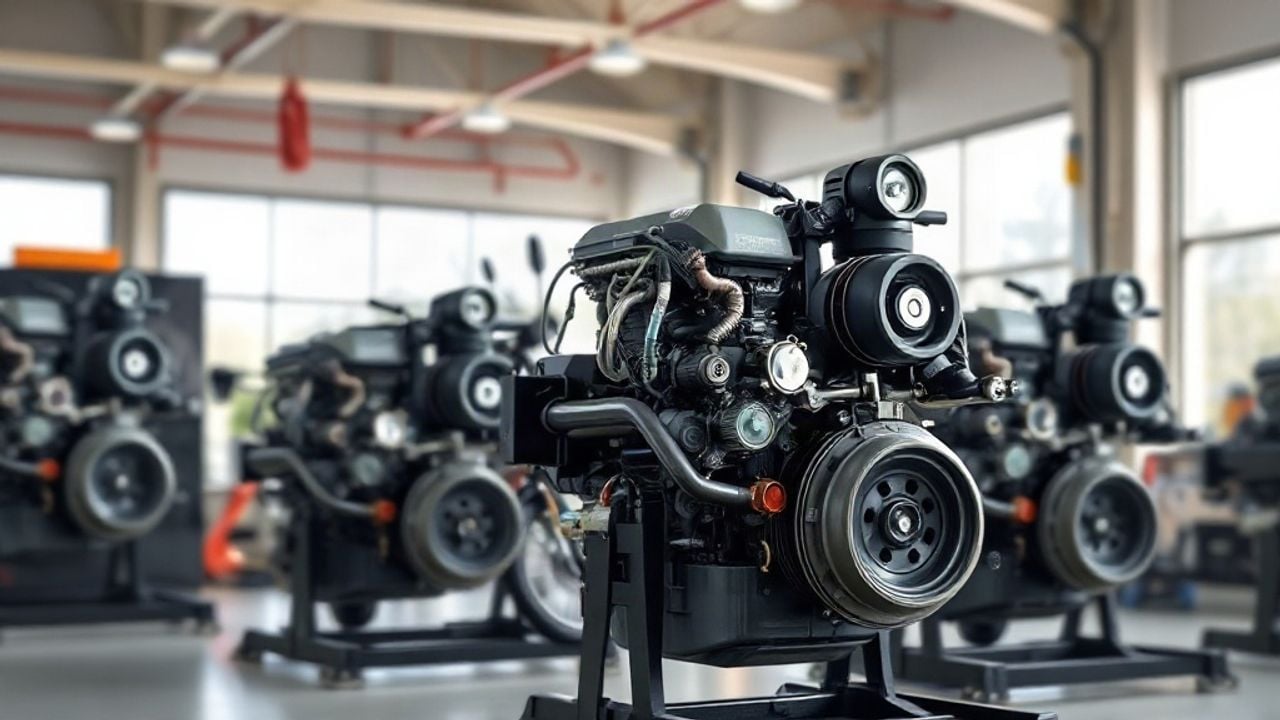 second hand enginesstarter motor
Understanding Second Hand Engines
Successful Tips for Purchasing Second Hand Engines
Warranties and Quality Assurance
second hand access resource engines
Proven Tips for Shopping Second Hand Engines
Navigating the second hand engines market can be daunting. Arm yourself with insights from experienced users and professionals to protect your investment.
- Always ask for the engine's mileage and condition report.
- Research reviews on engine providers to gauge their reputation.
- Inquire about previous performance issues with similar engines.
- Set a budget that accounts for potential installations and associated parts.
- Be cautious about deals that seem too good to be true; quality often has a price.
Key Steps for Purchasing Second Hand Engines
- Identify the engine specifications needed for your vehicle. Have the details regarding horsepower, efficiency, and engine type to match appropriately with second hand options.
- Research reliable suppliers for second hand engines. Utilize resources like online marketplaces, local engine shops, or classified ads to discover potential sellers.
- Request detailed engine history documents from sellers. Understanding the previous use of the engine can lead to better purchasing decisions.
- Inspect the engines thoroughly before making a purchase. Look for signs of corrosion, wear, and any irregularities that could suggest issues.
- Compare costs across multiple sources. Note the differences in pricing among second hand, rebuilt, and new engines to ensure you are making a wise investment.
- Discuss warranty options with the seller. Ensure clarity about what is covered regarding parts and defects to safeguard against future issues.
Frequently asked questions
What is second hand engines?
Second hand engines are pre-owned engine units that can be installed in vehicles as replacement parts, often providing a cost-effective alternative to new engines.
How do I choose a second hand engines provider?
Choosing a provider involves researching their reputation, checking warranty options, and thoroughly inspecting the engines offered before making a purchase.
How much does second hand engines cost?
The costs of second hand engines can vary widely depending on the engine type and supplier, but they typically range from a few hundred dollars to several thousand.
Second hand engines represent a practical choice for budget-conscious vehicle owners. By understanding what to look for and how to navigate the purchase process, it’s possible to find a suitable engine at a reasonable price. With proper attention to detail and research, buyers can enjoy reliable performance without breaking the bank.
Making a smart choice in the second hand engine market not only extends the life of your vehicle but also helps you learn more about the components that keep it running. Investing time in this process can yield great advantages in both function and cost.